


Measuring Up For Vinyl Flooring

Tools for the job
To measure a room for a vinyl covering you will need;
- Measuring tape
- Pencil
- Paper
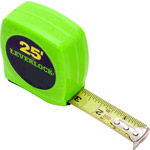
Measuring sheet vinyl and linoleum
- Sheet vinyl is laid in a single piece wherever possible, therefore to accommodate corners and nooks in the layout of a room there is often some considerable wastage.
- Vinyl manufacturers often produce sheets of vinyl to just a few standard widths, most commonly 3000mm (9ft 10in) and 4000mm (13ft 1in). It is therefore worth spending time considering your options thoroughly to achieve the most economical coverage.
- Try to avoid placing seams in thoroughfares.
- Remember that colour is often difficult to match between batches of vinyl, so purchase all you need from the same shop and the same roll.
- Vinyl patterns must be matched to ensure they run in the same direction.
Often the best approach is to sketch the layout of the room(s) you wish to cover and measure the fullest length and width of each. Then add 100mm (4in) to each measurement to allow for fitting.
- Don’t forget to account for alcoves, bay windows and doorways when measuring.
- If the sheet is to run in one continuous piece, take the combined total length and width of all rooms to calculate the total square metres of vinyl sheet needed (total length x total width)
- If vinyl is not available in a width large enough to cover either dimension of a room in one seamless piece, a seam will have to be included.
- If in any doubt, take your sketch of the room’s floorplan and dimensions to your vinyl retailer and they will advise you on the most economical way to cover the area.
Measuring vinyl tiles
- Floor tiles cover only a small area at a time, this means they are ideal for covering a complex layout with several nooks and corners with little wastage.
- The simplest way to assess the total floor area is to measure the fullest length and width of the room to be tiled. Multiply these two measurements together to get the square area and add 10% for cutting errors.
- For a more accurate measurement, divide the room into large rectangular areas, squaring off any curves or small alcoves. Find the square area of each of these large rectangles and add them all together, allowing a further 10% for cutting errors.
- Each pack of vinyl tiles will detail the square area that the pack can cover. Divide your total square area by this figure to calculate the number of packs you will need, remembering to round up.
Further information and useful links
Site Pages
Featured Articles